
How a smaller company gets started with AI agents
Start with one well-defined problem, put numbers on it and let people make the decisions. That is how you take the first steps without big risks.
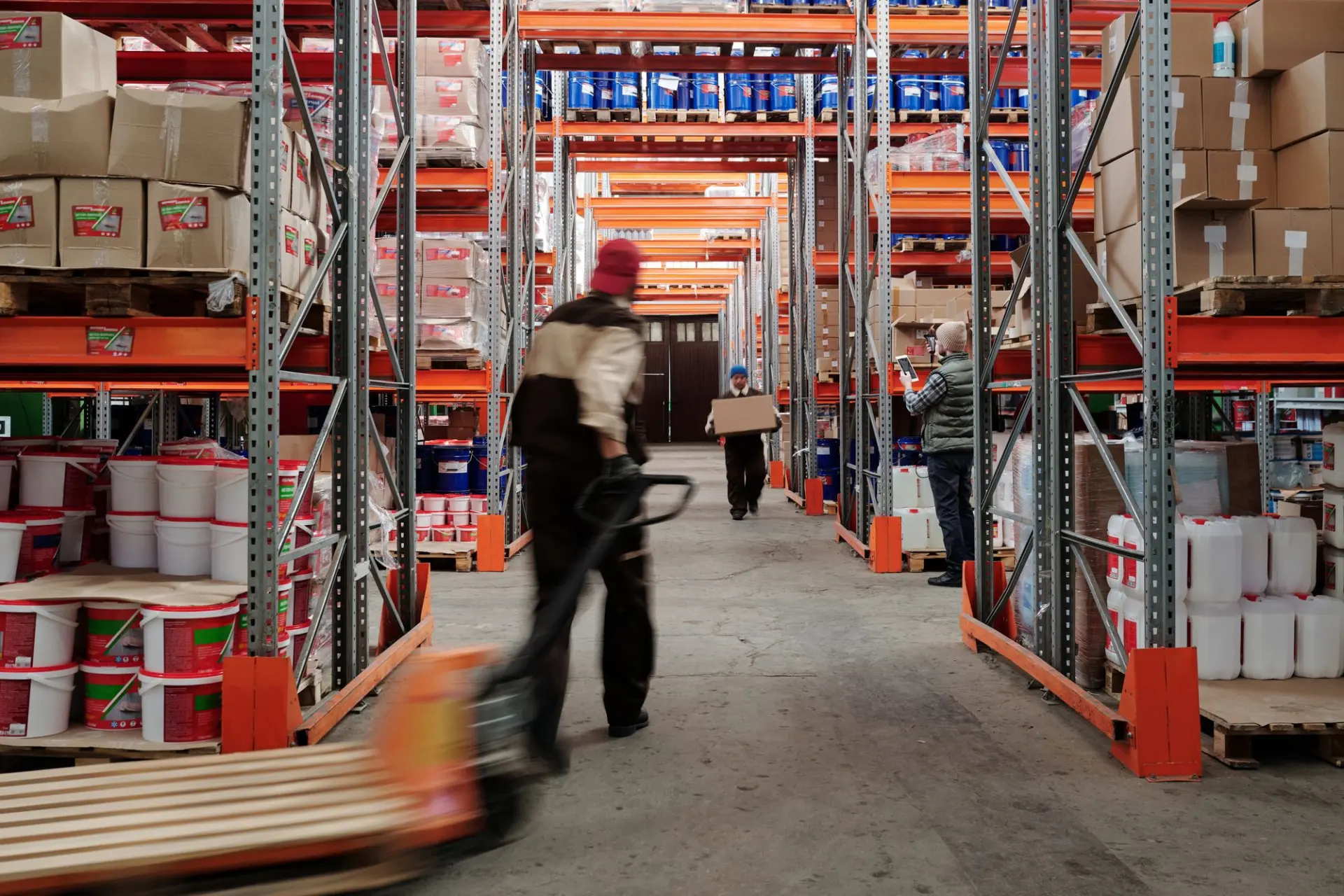
Inventory turnover shows how many times stock is sold and replenished in a year. A low value means money standing still on the shelf.
Inventory turnover is one of the most important metrics for a retail or food business. It shows how efficiently stock is used and how much working capital is tied up.
Inventory turnover = cost of goods sold during the year ÷ average inventory value. If you sell goods worth SEK 6 million at purchase price and hold an average inventory of SEK 1.5 million, turnover is 4. The stock is sold four times a year on average, and each item sits for roughly three months.
Every krona in stock is a krona that can’t be used for anything else. Slow turnover also brings the risk of obsolescence, waste and expired dates, which is especially costly for food.
An inventory and purchasing agent can follow sales and stock levels continuously, flag items that move too slowly and propose what to order and when. People still make the decisions, but on a better basis. That is exactly what we did for Tanara Co AB.
Start with one well-defined problem, put numbers on it and let people make the decisions. That is how you take the first steps without big risks.
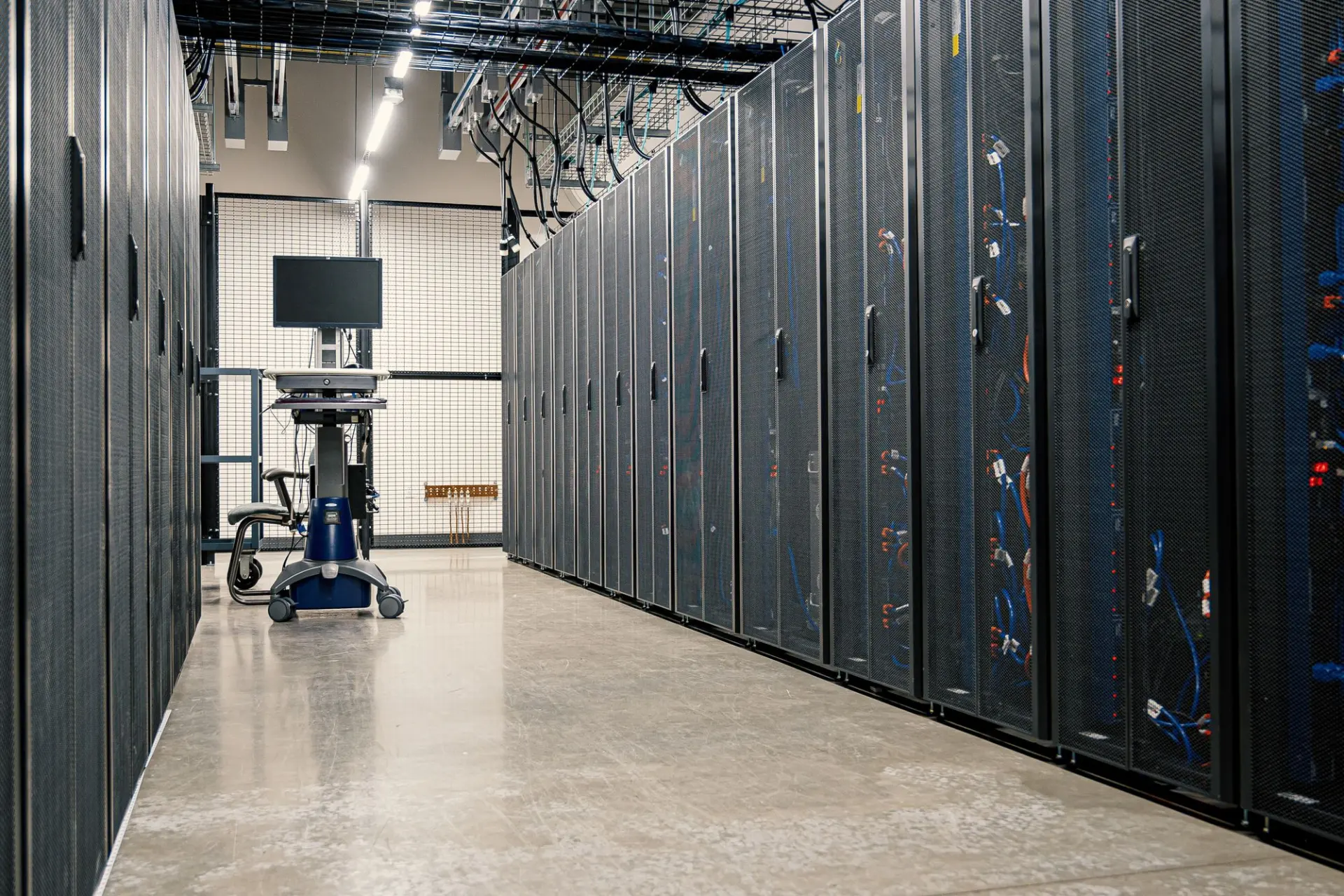
Where your data is stored affects both compliance and risk. This is how we think about Swedish hosting, cloud services and AI.

Payback period, total cost of ownership and cash-flow effect. Three measures that turn IT decisions into business decisions.

Call Armin or book a time in the calendar. In the meeting we go through your problem, and then we put together the right expertise for the engagement.

Armin BeiraghCEO and your contact for a first meeting+46 73 333 76 74